Most Indian farmers are working harder than ever and earning less than they should. The reason is not a lack of effort or skill — it is the crops they are growing. Wheat and rice remain essential to food security, but their market prices are thin, input costs are rising every season, and the returns rarely reflect the labour that goes into them.
Meanwhile, a different class of farmer is quietly transforming their land — and their income. These are the growers who shifted to high-value horticulture crops: saffron in Kashmir, dragon fruit in Gujarat, turmeric in Telangana, exotic vegetables in Maharashtra’s polyhouses, and cut flowers in Karnataka. On the same land, sometimes on far less land, they are earning three to ten times what conventional cereal farmers earn.
India’s total horticulture production reached 3,707.38 lakh tonnes in 2024-25, up from 3,547 lakh tonnes the previous year — a sector growing faster than the general agricultural economy. The government’s first advance estimates project 2025-26 production at 3,708.46 lakh tonnes, with fruit and vegetable output continuing to strengthen.
This is not a coincidence. It is the result of deliberate choices made at the farm level, backed by a government that has been channelling serious money into horticulture infrastructure. If you are a farmer, an agri-entrepreneur, or simply someone thinking about where agriculture is heading in India, this guide lays out exactly which crops are most profitable in 2026, what kind of income they generate, and how you can get started.
Why Horticulture Is the Future of Indian Farming
The shift toward horticulture is driven by a convergence of factors that are not going away:
Rising urban demand: India’s middle class is growing, and with it, the demand for diverse fruits, vegetables, exotic produce, and processed food. Urban consumers in 2026 are willing to pay premium prices for quality, freshness, and organic certification.
Export potential: Export-oriented horticulture varieties with GI tags fetch 20–40% price premiums in international markets. India is the world’s second-largest producer of fruits and vegetables, but exports remain a fraction of total production — the room to grow is enormous.
Government support: The Mission for Integrated Development of Horticulture (MIDH) provides 40–50% subsidies on horticulture infrastructure and crop development costs. States like Maharashtra have allocated ₹312 crore for polyhouse projects. This is the best-funded era for horticulture support in India’s agricultural history.
Technology access: Drip irrigation, polyhouses, CA storage, and precision farming tools are no longer available only to large agribusinesses. Small and marginal farmers can access government-subsidised versions of all of these.
The Most Profitable High-Value Horticulture Crops in India for 2026
1. Saffron — The World’s Most Expensive Spice
Often called “red gold,” saffron is the single highest-value crop grown in India by price per kilogram. Kashmir’s saffron — grown primarily in Pampore and the Karewas of the Valley — carries a GI tag and commands premium prices both domestically and internationally.
Income potential: Saffron generates annual incomes ranging from ₹6 lakh to ₹30 lakh per acre, depending on variety, yield, and quality.
Where it grows: Kashmir (Pampore, Budgam), parts of Himachal Pradesh and Jammu at suitable altitudes.
What you need to know: Saffron requires a specific climate — cold winters, dry summers, and well-drained karewa soil. The National Saffron Mission has been providing support to Kashmir’s saffron growers through irrigation infrastructure, training, and market linkages. If you are in the right geography, this is the highest-ceiling crop available.
2. Dragon Fruit — India’s Fastest-Growing High-Value Crop
Dragon fruit has gone from an exotic import to a mainstream high-demand crop in less than a decade. Urban consumers, health-conscious buyers, and the hospitality industry have all driven demand sharply upward.
Income potential: ₹8–15 lakh per acre annually once the plant matures (typically from Year 2–3 onward).
Where it grows: Maharashtra, Gujarat, Karnataka, Andhra Pradesh, Tamil Nadu — semi-arid regions with well-drained soil.
Government support: The MIDH scheme has set a target to expand dragon fruit cultivation to 50,000 hectares by 2028, with multiple states offering subsidies for planting material, drip irrigation, and trellising systems.
Why it works: Dragon fruit plants are perennial — you invest once and harvest for 15–20 years. Low water requirement makes it ideal for drought-prone regions. The plant has virtually no serious pest problems in most Indian conditions.
3. Turmeric — India’s Golden Spice with Global Demand
India is the world’s largest producer of turmeric, contributing more than 80% of global supply. But the real opportunity lies in organic turmeric and value-added turmeric products — powder, extract, supplements — where prices are several times higher than raw rhizome.
Income potential: Raw turmeric: ₹1.5–3 lakh per acre. Organic certified turmeric powder: ₹300–500 per kg, pushing gross revenues significantly higher.
Where it grows: Telangana (largest producer), Maharashtra, Tamil Nadu, Karnataka, Andhra Pradesh, Odisha.
The value-addition angle: Farmers who invest in basic processing — cleaning, drying, polishing, grinding — and obtain organic certification can sell directly to herbal companies, exporters, and urban consumers at 2–3x the mandi price. This is one of the clearest examples of how processing transforms farm economics.
4. Exotic Vegetables in Polyhouses — Consistent Income Year-Round
Polyhouse farming of exotic vegetables — coloured capsicum, cherry tomatoes, baby corn, zucchini, broccoli, lettuce — has created a new category of high-income farmer across India, particularly in Maharashtra, Karnataka, and Himachal Pradesh.
Income potential: Capsicum from polyhouses sells for ₹800–1,000 per kg. Hydroponic lettuce yields 7–8 kg per square metre every 30 days. A well-managed polyhouse of 1,000 sq metres can generate ₹10–25 lakh per year.
Government support: Maharashtra has allocated ₹85 crore specifically for polyhouse development in water-stressed areas. MIDH covers 50% of the cost of polyhouse construction under protected cultivation support.
What makes polyhouses different: You control the environment — temperature, humidity, light, and pest pressure. This means more growing cycles per year, better quality, and dramatically lower crop loss from weather events.
5. Floriculture — Flowers as a Commercial Crop
India’s flower industry — supplying weddings, religious ceremonies, export markets, and the growing gifting economy — is chronically undersupplied. Gerbera, rose, carnation, lily, and chrysanthemum cultivation under protected conditions can generate consistent returns.
Income potential: Gerbera: ₹6–10 lakh per 500 sq metre unit per year. Rose: ₹4–8 lakh per 500 sq metre annually under controlled conditions.
Export opportunity: The Netherlands, UAE, Japan, and Singapore are major importers of Indian cut flowers. Karnataka (Bengaluru) is India’s floriculture export hub, but growers in other states are increasingly entering this space with MIDH support.
Key requirement: Floriculture needs a reliable cold chain to reach markets fresh. Investment in pre-cooling and refrigerated transport is essential for export-quality flowers.
6. Medicinal and Aromatic Plants — The Quiet High-Earner
Ashwagandha, aloe vera, tulsi, lemongrass, stevia, and lavender are seeing surging demand from pharmaceutical companies, FMCG brands, Ayurveda manufacturers, and the booming wellness industry.
Income potential: Ashwagandha: ₹2–5 lakh per acre. Stevia (a natural sweetener): ₹4–8 lakh per acre. Contract farming arrangements for medicinal plants often provide buy-back guarantees, giving farmers a stable income.
Why this makes sense in 2026: The domestic organic food and wellness market hit $2.3 billion in 2025 and is growing at a 19.3% CAGR. Companies like Patanjali, Himalaya, and hundreds of smaller nutraceutical brands are actively seeking stable, contracted supply of certified medicinal plants.
Crop Diversification: The Smarter Strategy
Choosing one high-value crop is a starting point, but the most successful farmers in India are diversifying their crop mix strategically. Research shows that diversified farmers earn 13% more on average than single-crop farmers, with farmers in Punjab and Haryana who switched from the rice-wheat cycle reporting up to 30% higher income after diversification.
The principle is simple: no single crop protects you completely against price fluctuations, weather risks, or pest outbreaks. Combining a perennial high-value crop (like dragon fruit or mango) with an annual spice crop (turmeric, ginger) and some vegetable cultivation gives you income across the year and reduces the risk any single crop failure creates.
Government Schemes Supporting High-Value Horticulture
Mission for Integrated Development of Horticulture (MIDH)
MIDH is the central umbrella scheme covering horticulture development across India. It provides:
- 40–50% subsidy on establishment of new orchards and gardens
- 50% subsidy on polyhouse construction
- Subsidy support for drip and sprinkler irrigation
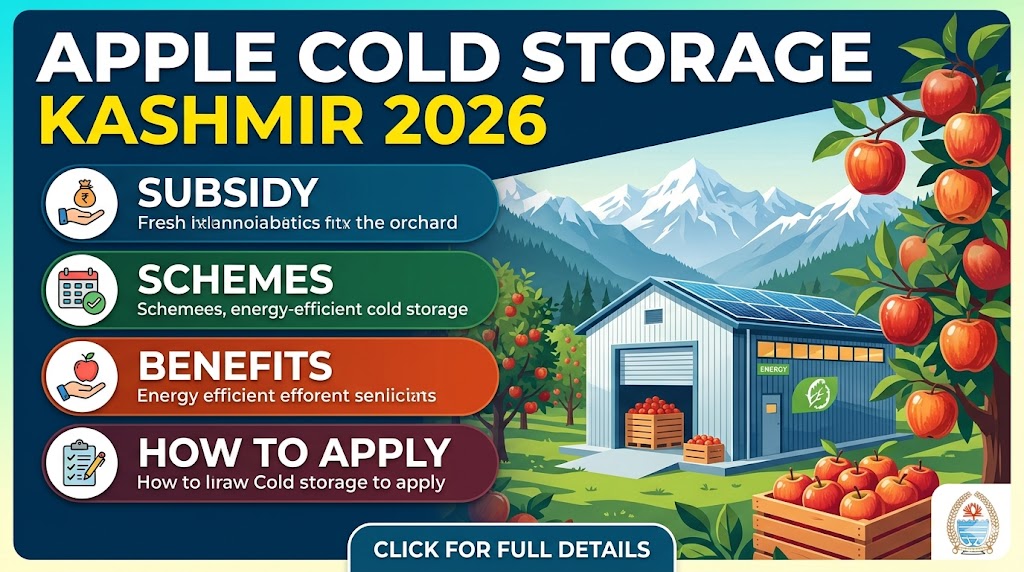
- Post-harvest infrastructure support including pack houses and cold storage
As of July 2025, MIDH has brought an additional 15.66 lakh hectares under horticulture crops, with significant improvements in productivity.
PM Kisan Sampada Yojana
Focused on food processing infrastructure, this scheme helps horticulture farmers access cold chains, processing units, and value-addition facilities — the missing link between growing a good crop and getting a good price for it.
Agriculture Infrastructure Fund (AIF)
Offers 3% interest subvention on loans for post-harvest infrastructure, including cold storage, pack houses, and sorting-grading units. Accessible to individual farmers, FPOs, and agri-entrepreneurs.
How to Get Started — A Practical Roadmap
Step 1: Assess your land and climate. Not every crop works in every location. Consult your nearest Krishi Vigyan Kendra (KVK) or District Horticulture Officer for guidance on which crops are best suited to your soil type, water availability, and local climate.
Step 2: Start small, learn fast. Begin with 0.5–1 acre of your chosen high-value crop alongside your existing cultivation. This reduces risk while you build knowledge and market contacts.
Step 3: Apply for government subsidies before investing. Visit your District Horticulture Office to register under MIDH before purchasing inputs or beginning construction. Subsidies are only available prospectively in most cases — not as reimbursement after you have already spent.
Step 4: Build your market connection early. The biggest mistake new horticulture farmers make is growing a crop without knowing who will buy it. Connect with local wholesale markets, FPOs, organic food companies, exporters, and direct consumers before your harvest is ready.
Step 5: Invest in post-harvest handling. A good crop that is poorly handled at harvest is wasted profit. Even basic sorting, grading, and proper packaging can increase your realised price by 20–40%.
Frequently Asked Questions
Q1. Which is the single most profitable horticulture crop in India in 2026? By price per kg, saffron tops the list. By ease of cultivation and scalability across climate zones, dragon fruit and turmeric offer the best risk-adjusted returns for most farmers.
Q2. Can a small farmer with 1–2 acres benefit from high-value horticulture? Absolutely. In fact, high-value crops are particularly well-suited to small landholdings because the income per acre is high enough to be meaningful even on limited land. Polyhouse farming, saffron, and medicinal plants all work profitably at 0.5–2 acre scale.
Q3. Is MIDH subsidy available for all states? Yes. MIDH is a centrally sponsored scheme available across all states and union territories, though implementation is through state horticulture departments. Contact your state’s horticulture department or KVK for local guidelines.
Q4. How much does it cost to set up a basic polyhouse? A basic naturally ventilated polyhouse costs approximately ₹700–1,000 per sq metre. MIDH provides 50% subsidy on this cost, significantly reducing the upfront investment. A 1,000 sq metre polyhouse after subsidy can be set up for ₹3.5–5 lakh.
Q5. Do I need any training to grow exotic or high-value crops? Most KVKs offer free or subsidised training in modern horticulture techniques. The MIDH scheme also funds farmer training programmes. Starting with a demonstration visit to an existing successful farm in your region — often arranged through the District Horticulture Office — is one of the best ways to learn.
Closing Thoughts
The shift from subsistence-level cereal farming to high-value horticulture is not a leap of faith — it is a calculated, supported, and increasingly mainstream strategy for Indian farmers who want to earn more from their land. The government schemes are in place. The market demand is real and growing. The technology is available and subsidised.
What remains is the decision to start.
Whether it is a patch of dragon fruit in Gujarat, a small saffron plot in Kashmir, or a polyhouse of coloured capsicum in Maharashtra, the path to higher farm income in 2026 runs directly through high-value horticulture. The farmers who recognise that early are the ones reaping the rewards already.
For scheme details and support, contact your nearest District Horticulture Office or Krishi Vigyan Kendra, or visit the MIDH portal at midh.gov.in.