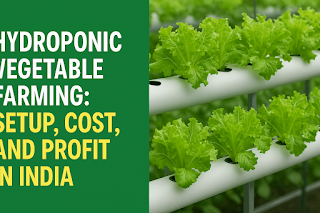
Hydroponic farming utilizes nutrient-rich water instead of soil to cultivate vegetables, enabling year-round production with significantly less space and water consumption. For urban and commercial growers, hydroponics offers a clean, efficient method for producing fresh, high-quality vegetables. This comprehensive guide explains how to establish hydroponic vegetable farming in India, detailing the setup process, investment requirements, and potential returns.
Introduction to Hydroponic Farming
Hydroponics represents a modern agricultural approach that cultivates plants without soil, delivering essential nutrients directly to plant roots through carefully balanced solutions. This method promotes accelerated growth, enhanced nutrient absorption, and reduced disease incidence. Hydroponic systems are gaining popularity in urban areas, greenhouses, and agricultural startups due to increasing consumer demand for pesticide-free produce.
Understanding Hydroponic Farming
Hydroponic farming is a soilless cultivation technique that utilizes water infused with essential nutrients to nourish plants. This system provides precise control over growing conditions, resulting in healthier crops and more efficient resource utilization.
-
No soil requirement—plants grow in water or inert media like coco peat or perlite
-
Controlled environments deliver predictable, consistent results
-
Uses 80-90% less water compared to conventional farming methods
-
Ideal for rooftop installations, greenhouses, and commercial farming operations
Popular Hydroponic Systems in India
| System Type | Description | Suitable Crops |
|---|---|---|
| Nutrient Film Technique (NFT) | Thin nutrient solution flows continuously over roots | Lettuce, spinach, basil, herbs |
| Deep Water Culture (DWC) | Plants float on nutrient-rich water reservoir | Leafy vegetables, strawberries |
| Drip Hydroponic System | Nutrients delivered to roots via drip emitters | Tomato, cucumber, capsicum |
| Ebb and Flow System | Roots periodically flooded with nutrients and drained | Herbs and salad crops |
| Aeroponics | Roots suspended in air and misted with nutrients | High-value greens, medicinal plants |
Step-by-Step Guide to Starting Hydroponic Farming
1. Site Selection
Choose locations with reliable electricity access, clean water sources, and minimal dust contamination. Hydroponic systems can be installed indoors, on rooftops, or within greenhouse structures.
2. System Selection
Beginners should consider NFT or DWC systems for their relative simplicity. Commercial operations often implement multi-layer NFT or vertical systems to maximize space utilization.
3. Infrastructure Setup
-
Construct greenhouse or shade net structures for environmental protection
-
Install grow channels, water reservoirs, and support frameworks
-
Establish nutrient circulation systems with pumps and piping networks
4. Nutrient Solution Preparation
Blend macro and micronutrients including nitrogen, potassium, calcium, magnesium, and iron into water solutions. Maintain precise balance using pH and EC meters.
-
Ideal pH Range: 5.5 to 6.5
-
EC Range: 1.2 to 2.0 mS/cm (crop-dependent)
5. Crop Selection
Focus on high-value vegetables and herbs with consistent market demand and short growth cycles:
-
Lettuce, spinach, kale
-
Tomato, cucumber, capsicum
-
Basil, mint, coriander
-
Strawberries for premium returns
6. Planting and Growth Management
-
Germinate seeds in coco peat plugs or Rockwool cubes
-
Transplant seedlings to hydroponic channels after root development
-
Continuously monitor nutrient levels, temperature, and humidity
7. Harvesting and Packaging
-
Leafy vegetables mature in 30-45 days
-
Fruiting vegetables require 60-90 days
-
Package produce in clean, ventilated containers to preserve freshness
Investment Requirements (1,000 Sq Ft Setup)
| Component | Estimated Cost (₹) |
|---|---|
| Greenhouse/Polyhouse Structure | 3,00,000 – 4,00,000 |
| Hydroponic System (NFT or DWC) | 2,00,000 – 3,00,000 |
| Nutrient Tanks, Pumps, Piping | 50,000 – 1,00,000 |
| Seedlings, Media, and Nutrients | 40,000 – 60,000 |
| Electricity and Water Supply | 20,000 – 30,000 |
| Labor and Miscellaneous | 30,000 – 50,000 |
| Total Setup Cost | ₹6,00,000 – ₹9,00,000 |
Operational Expenses
-
Electricity and water: ₹5,000 – ₹10,000 monthly
-
Nutrient replenishment and maintenance: ₹8,000 – ₹15,000 monthly
-
Labor: ₹10,000 – ₹20,000 monthly
Yield and Profitability Projections
| Crop | Yield (per 1,000 sq ft) | Market Price (₹/kg) | Annual Profit (Approx.) |
|---|---|---|---|
| Lettuce | 1,200 – 1,500 kg | 150 – 200 | ₹2.5 – ₹3 lakh |
| Spinach | 1,000 – 1,300 kg | 80 – 120 | ₹1.5 – ₹2 lakh |
| Basil and Herbs | 500 – 700 kg | 300 – 400 | ₹2 – ₹3 lakh |
| Tomatoes and Capsicum | 800 – 1,000 kg | 100 – 150 | ₹1.5 – ₹2 lakh |
Average Annual Profit: ₹3 – ₹6 lakh (depending on crop selection and market conditions)
Government Support Programs
-
National Horticulture Board: 40-50% subsidies for greenhouse establishment
-
Mission for Integrated Development of Horticulture: Supports hydroponic and protected cultivation projects
-
State Agriculture Departments: Grants for training, technology adoption, and irrigation infrastructure
Advantages of Hydroponic Farming
-
Higher yield per square foot than traditional agriculture
-
Water conservation up to 90%
-
Elimination of soil-borne diseases and weeds
-
Year-round production in controlled environments
-
Suitable for urban and rooftop farming applications
Potential Challenges
-
Substantial initial capital investment
-
Technical expertise required for nutrient management
-
Dependence on reliable power supply for pumps and lighting
-
Limited consumer awareness in certain markets
Success Strategies
-
Begin with small-scale operations and expand progressively
-
Utilize quality seeds and precise nutrient formulations
-
Maintain stable pH levels and temperature conditions
-
Implement regular equipment cleaning and sterilization protocols
-
Develop direct marketing relationships with restaurants, organic stores, and online buyers
Frequently Asked Questions
Q1: Is hydroponic farming profitable in India?
A: Yes, when managed efficiently with consistent marketing strategies and proper crop rotation.
Q2: Can hydroponics operate successfully without greenhouses?
A: Yes, though greenhouse environments enhance temperature and humidity control, thereby improving yields.
Q3: Which crops are most suitable for hydroponic cultivation?
A: Lettuce, spinach, basil, and various herbs are ideal due to their rapid growth cycles and premium market prices.
Summary
Hydroponic vegetable farming presents a sustainable approach to producing healthy, pesticide-free crops with minimal land and water requirements. While initial setup costs are considerable, faster growth cycles, premium pricing, and efficient resource utilization make this model economically viable. With adequate training and support, hydroponic technology has the potential to transform urban and commercial agriculture throughout India, addressing food security challenges while promoting environmental sustainability